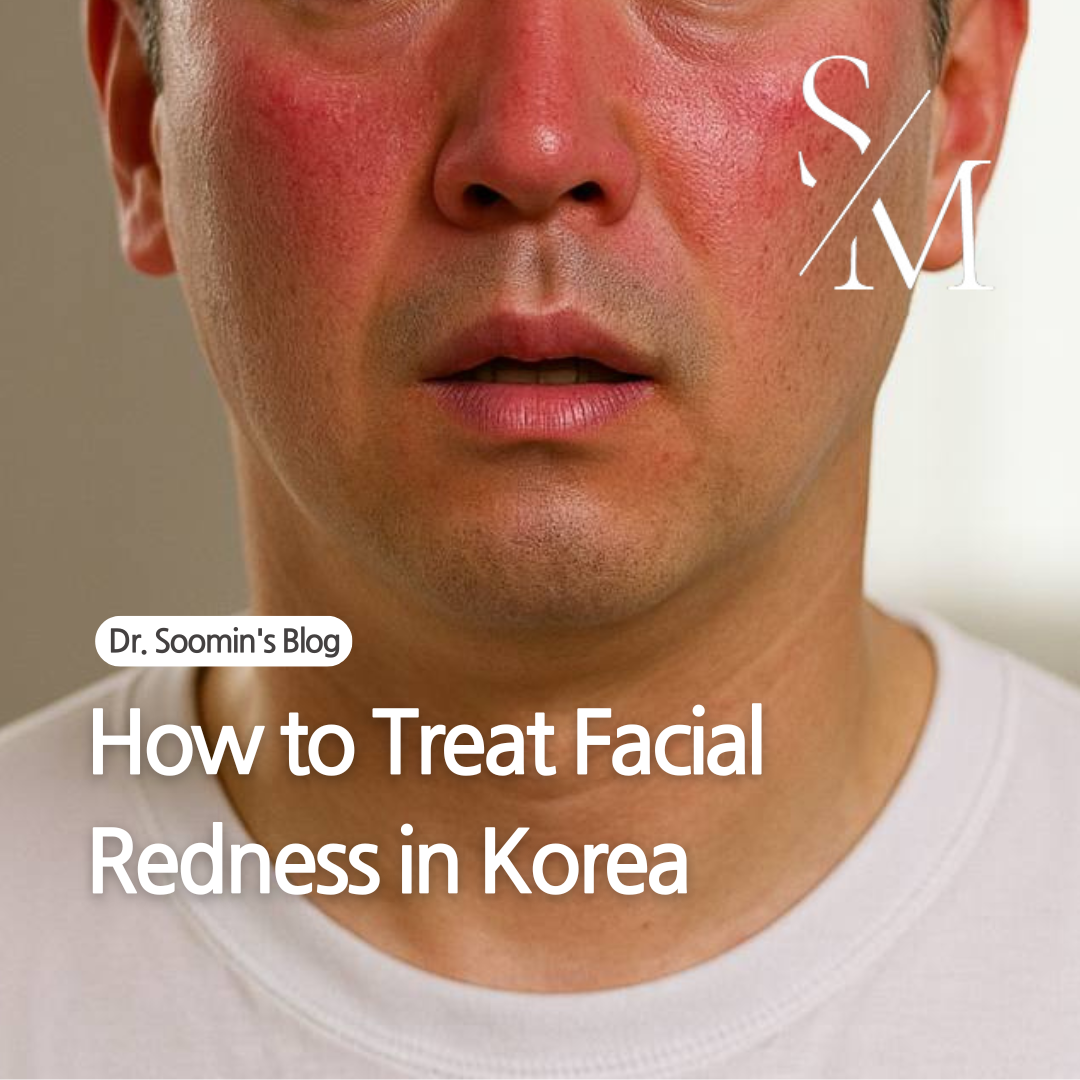
Facial redness is a common concern among my clients, often requiring a tailored approach depending on the underlying cause.
In Korean aesthetic medicine, we typically classify facial redness into three categories— red flushing, rosacea dermatitis, and acne-prone inflammation.

Hello, beautiful people!
I’m Dr. Soomin Lee, your aesthetic physician based in Seoul.
In Korean aesthetic clinics, we offer a range of treatments—from non-invasive lasers to injectables and professional skincare—to help restore calm, healthy skin for patients struggling with redness.
Today, I’ll walk you through how we differentiate and treat each type of redness, just as I would in a real-life consultation.
1. Red Flushing(Vascular Dilation)
Facial redness is often caused by vascular dilation—when the tiny blood vessels near the skin’s surface expand, making the skin appear flushed or pink.
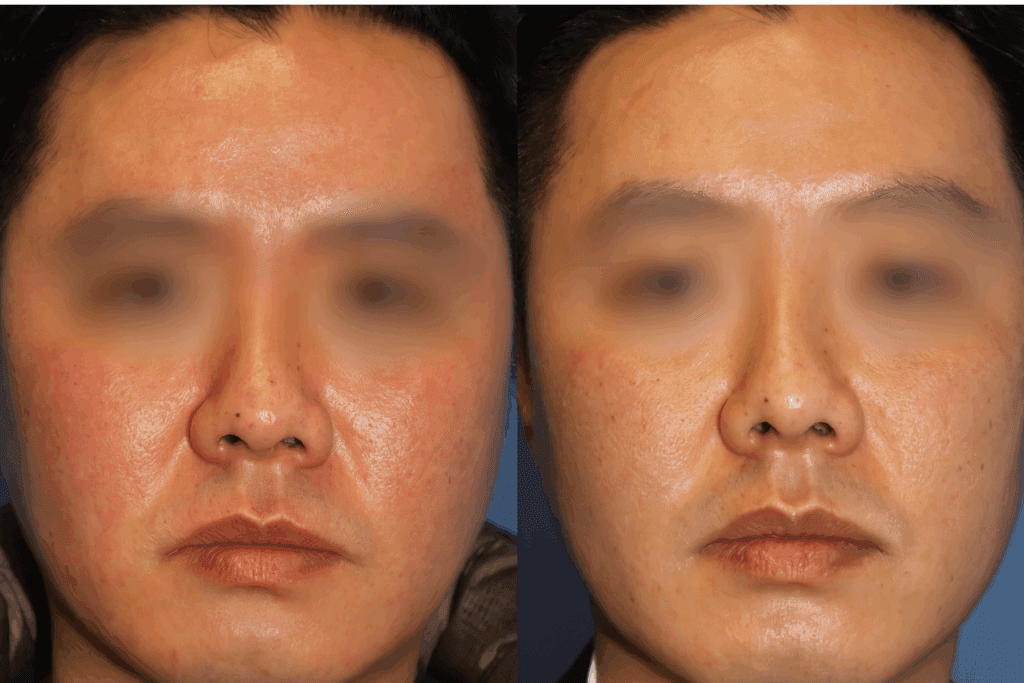
This dilation can be triggered by a variety of external and internal factors, including heat, alcohol, emotional stress, spicy food, or prolonged sun exposure.
In individuals with sensitive skin or a predisposition to rosacea, these triggers may lead to persistent redness that worsens over time if left untreated.
1-1 Non-invasive Options
BBL (BroadBand Light) 590ST filter
BBL is a non-invasive treatment for diffuse facial redness by gently targeting dilated vessels without causing pain, making it a comfortable option even for sensitive skin types.

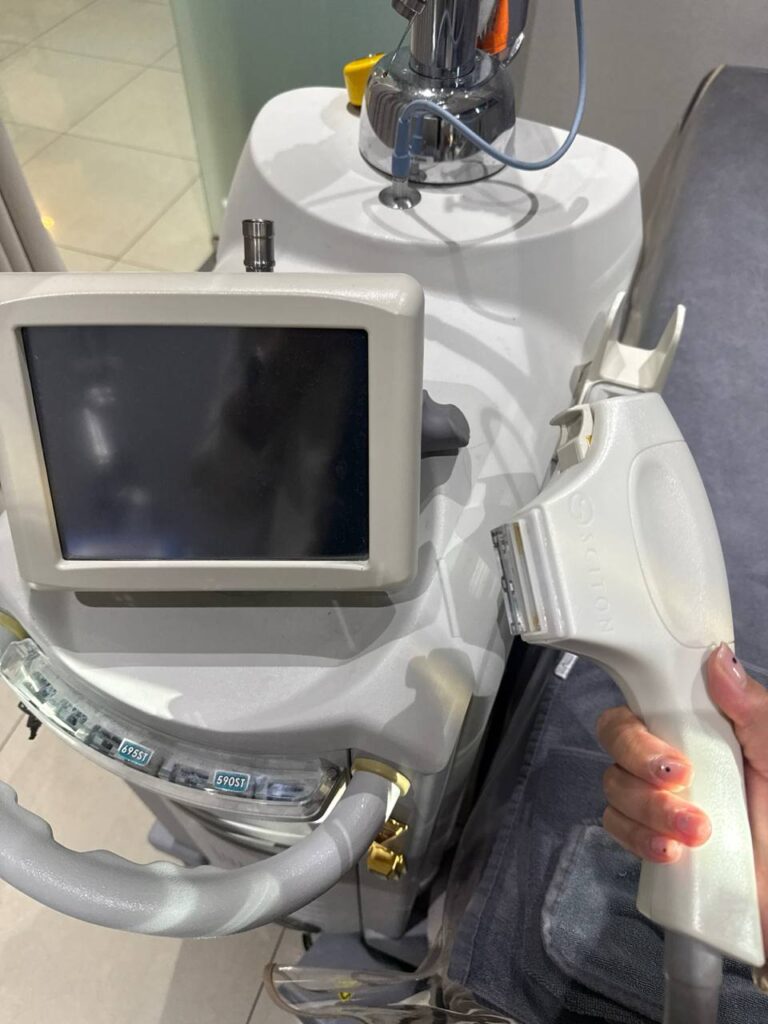
Vessel laser(Redness/Vascular mode)
Vascular laser treats facial redness caused by capillary dilation. It effectively targets both diffuse erythema and visible spider veins using its specialized modes.
Patients may experience a mild stinging during the procedure, and protective eye shields are worn throughout the session for safety.
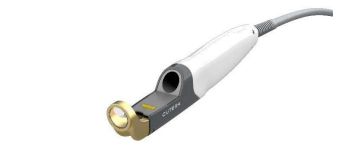
Note: Excel V – vascular mode can cause minor bruising.
1-2 Minimally-Invasive Options
Skin Botox
Surprisingly, clinical studies have shown the effectiveness of skin Botox in reducing facial redness by temporarily inhibiting the release of acetylcholine, a neurotransmitter that mediates vasodilation. This results in a visible decrease of redness.
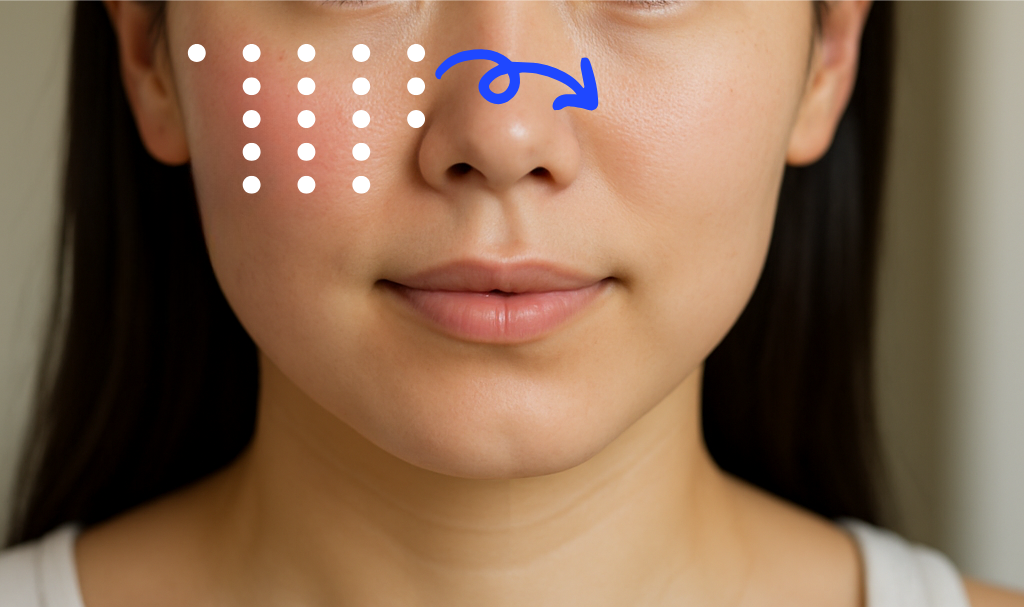
Polynucleotide (cannula deep dermal injection)
Polynucleotide injections, especially when administered deeply via cannula into the dermis, have shown notable benefits in improving skin redness over time.
This effect is attributed to its role in regenerating the extracellular matrix, enhancing capillary stability, and strengthening the dermal barrier.
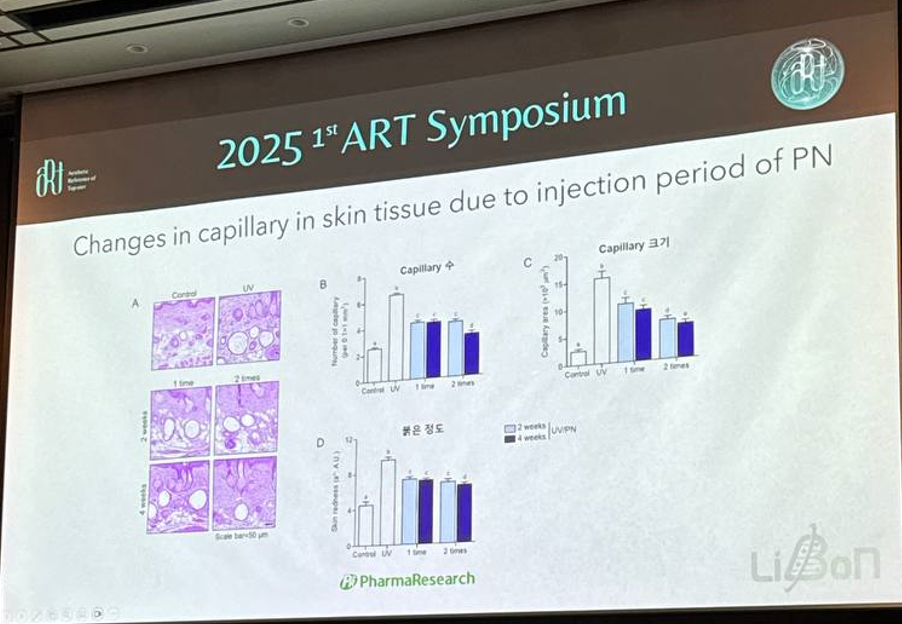
Studies demonstrated that repeated Rejuran injections decreased the number and size of capillaries while improving vascular density uniformity, suggesting a long-term calming and fortifying effect on redness-prone skin.
2. Rosacea Dermatitis (Inflammatory Rosacea)
Rosacea dermatitis is a chronic inflammatory skin condition often linked to a combination of demodex mite overgrowth, impaired skin barrier, UV exposure, and hormonal fluctuations.
Clinically, it is characterized by diffuse redness, often accompanied by pustules or papules that resemble acne. These triggers can lead to persistent facial redness and heightened sensitivity.
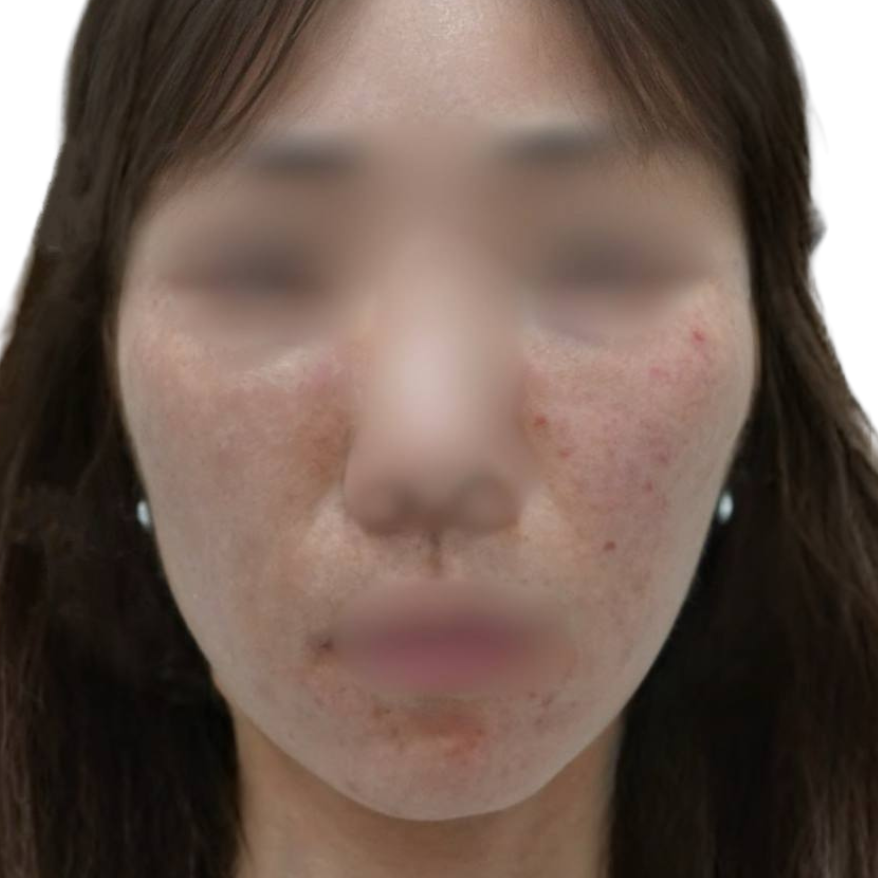
Symptoms frequently worsen with sun exposure, emotional stress, alcohol, or spicy foods, and flare-ups tend to recur unless the underlying vascular and barrier dysfunctions are addressed.
2-1 Non-invasive Options
Vessel laser(Redness/Vascular mode)
Non-invasive vascular laser treats facial redness caused by capillary dilation. It effectively targets both diffuse erythema and visible spider veins using its specialized modes.
Patients may experience a mild stinging during the procedure, and protective eye shields are worn throughout the session for safety.
Note: Excel V – vascular mode can cause minor bruising.
The Genesis 1064nm laser
The Genesis 1064nm laser gently heats the dermis to calm inflammation and reduce facial redness.
With consistent treatments, it also helps refine pores and improve overall skin tone. This no-downtime procedure is safe even for sensitive skin.
2-2 Minimally-invasive Options
Triamcinolone injection
Low-dose triamcinolone injections can calm acute flare-ups.
Skin Botox
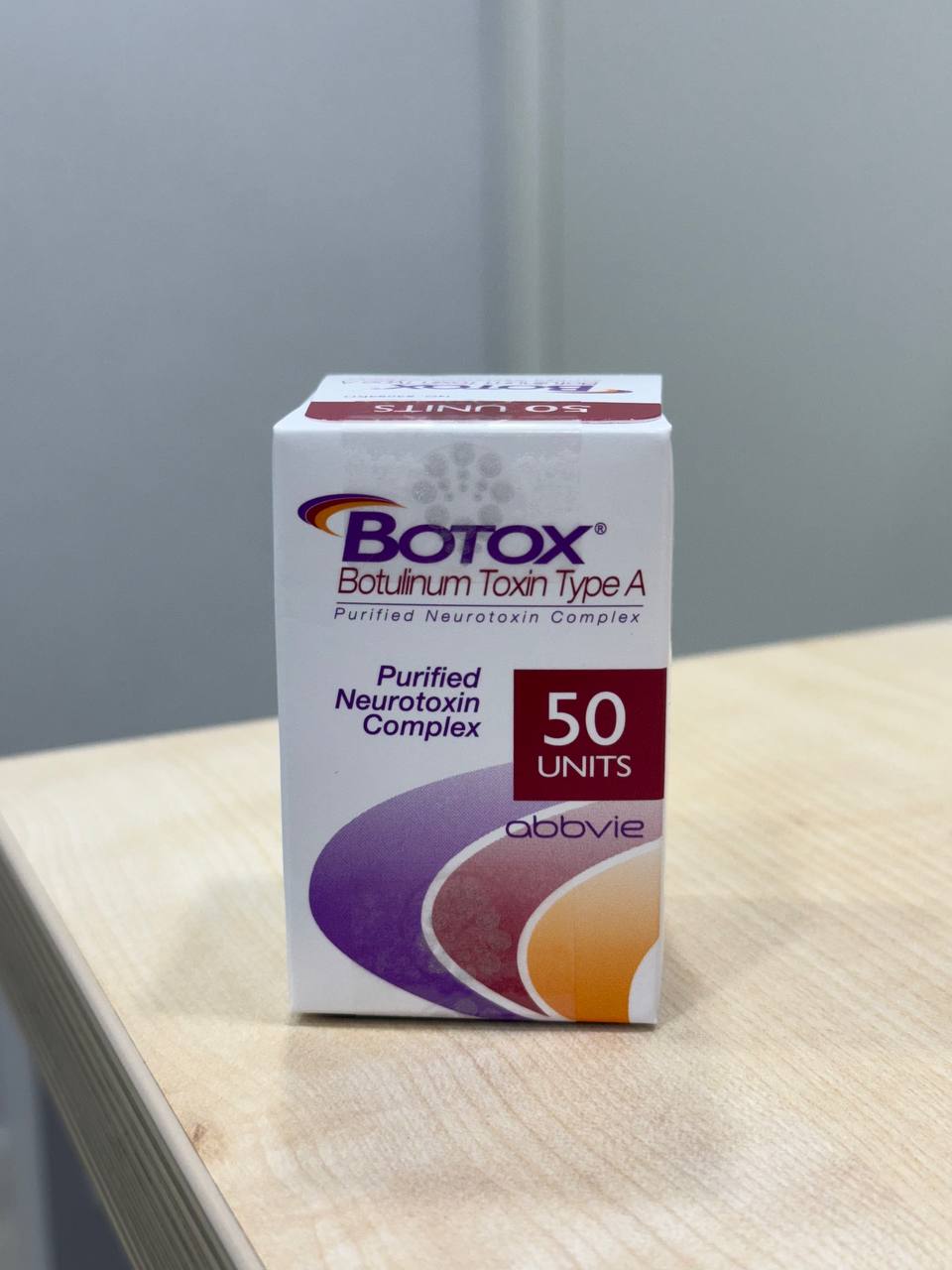
Skin Botox helps control facial flushing by reducing the skin’s vascular reactivity. It works by inhibiting the release of neurotransmitters like acetylcholine, which normally cause blood vessels to dilate.
As a result, patients often notice a more even skin tone and reduced redness over time.
Polynucleotide (conventional intradermal injection)
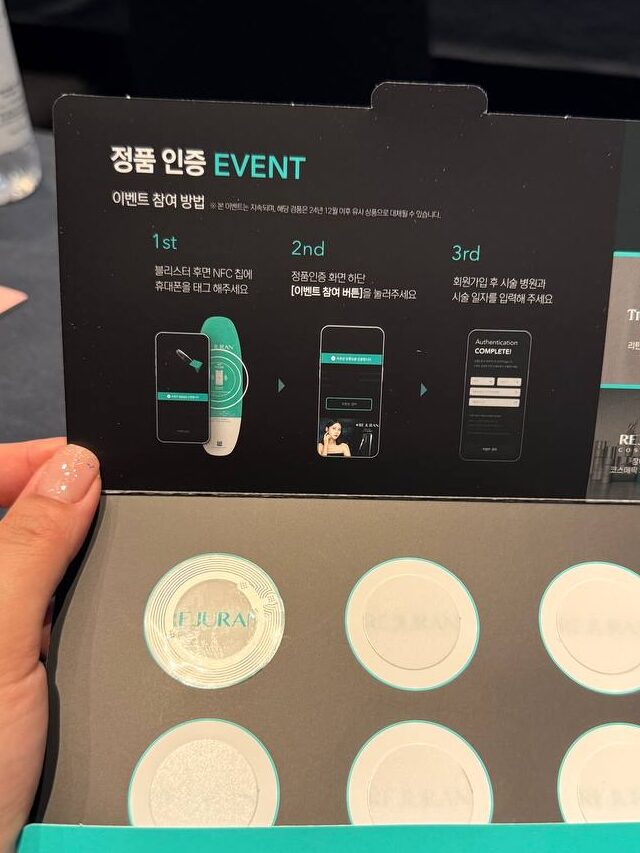
When Polynucleotide is injected using the conventional intradermal method, helps repair and reinforce the skin’s natural barrier.
By improving skin structure and hydration, it reduces overall sensitivity to redness triggers. Over time, patients often experience calmer, more resilient skin.
2-3 Topical agents & daily protection
For cases linked to demodex mites, ivermectin cream can effectively reduce inflammation.
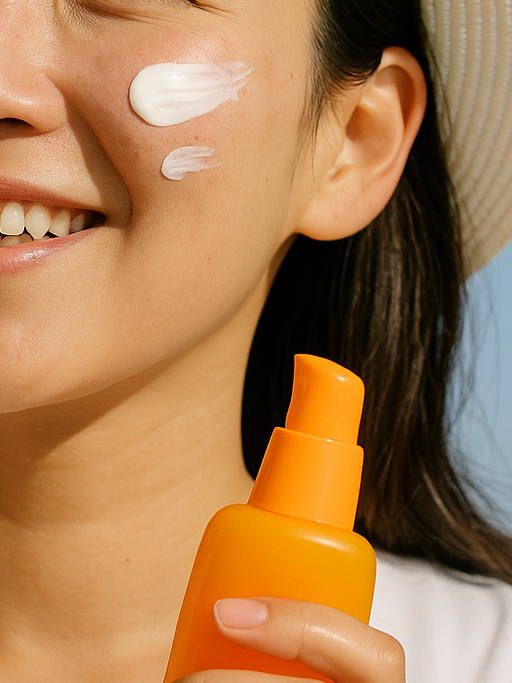
Consistent UV protection is also crucial, as sun exposure remains one of the strongest triggers for rosacea flare-ups.
3. Acne
Acne is primarily linked to C. acnes bacterial activity, hormonal fluctuations, impaired skin barrier, and poor hygiene. Treatment focuses on controlling infection, regulating sebum production, and reducing inflammation.
3-1 Non-invasive Options
Laser treatments
Genesis 1064nm laser and 532nm inflammation mode help soothe inflamed acne lesions and calm overall skin reactivity.
3-2 Minimally-invasive Options
Triamcinolone injection
Triamcinolone injection is used to rapidly reduce swelling and pain in inflammatory nodules.
Micro-needling & Exosome
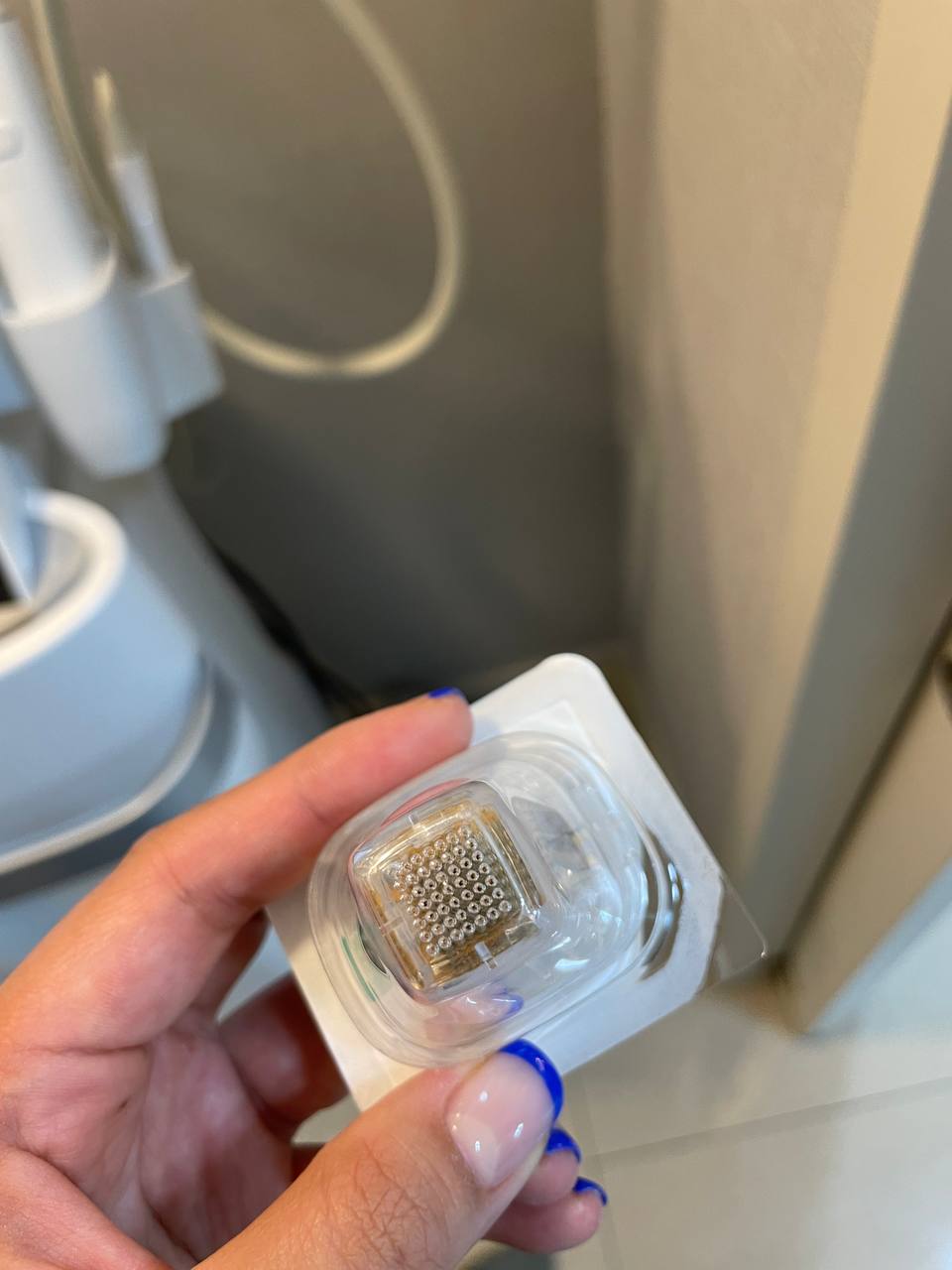
Micro-needling with topical Exosome promotes tissue repair and alleviates redness by delivering active ingredients deep into the dermis.
3-3 Topical agents & daily protection
Topical/medication
Benzoyl peroxide, retinol, and salicylic acid are commonly used to clear comedones and reduce pustular breakouts.
Aesthetic skincare

Professional acne extraction, AHA/BHA peels, and tailored acne programs support long-term skin clarity and prevent future breakouts.
4. Shared Approach for Rosacea Dermatitis & Acne
While acne and rosacea have distinct root causes, they often share common features like skin barrier impairment and persistent inflammation. This overlap allows for some unified skincare approaches aimed at calming the skin and preventing flare-ups.
Skincare tips suitable for both conditions
Azelaic acid, niacinamide, green tea extracts, and resveratrol help soothe inflammation, reduce redness, and support the skin’s defense.
Low-pH cleansers help preserve the skin microbiome and prevent further barrier damage.
Hydration should be prioritized over harsh exfoliation to restore barrier function.
If you’re struggling with persistent redness, acne, or rosacea,
don’t guess!!

Always start with getting personalized advice from a qualified aesthetic physician.
Every skin is different, and with the right diagnosis and treatment plan, healthy, calm skin is absolutely within reach.
Stay radiant and confident!
Dr.Soomin