During consultations with patients from Korea and abroad, one of the most consistent concerns I hear is about pore size and skin texture.
Hello, beautiful people!
I’m Dr. Soomin Lee, an aesthetic physician based in Seoul.
As more people move toward a natural, makeup-free approach to their appearance, the desire for genuinely smooth, refined skin has become a central part of the conversation.
Pore concerns, in particular, are something I discuss almost daily in clinics here in Gangnam. What’s interesting is that most patients don’t actually have a single “pore problem” — they have a combination of oil imbalance, skin laxity, and textural irregularities.
Today, I want to walk you through how I approach this in real consultations: starting from what’s actually causing the pores, and then deciding which treatments are truly worth considering.
First: What Pores Actually Are (and Aren’t)
Pores cannot be eliminated. They are permanent structural openings in the skin, essential for sebum secretion and temperature regulation.
What can change is how visible they appear and that depends on the quality of the surrounding skin: collagen density, elasticity, and sebaceous activity.
In other words, most “pore treatments” in Korea are not about removing pores, but about improving the skin environment around them so they appear smaller, tighter, and more refined.
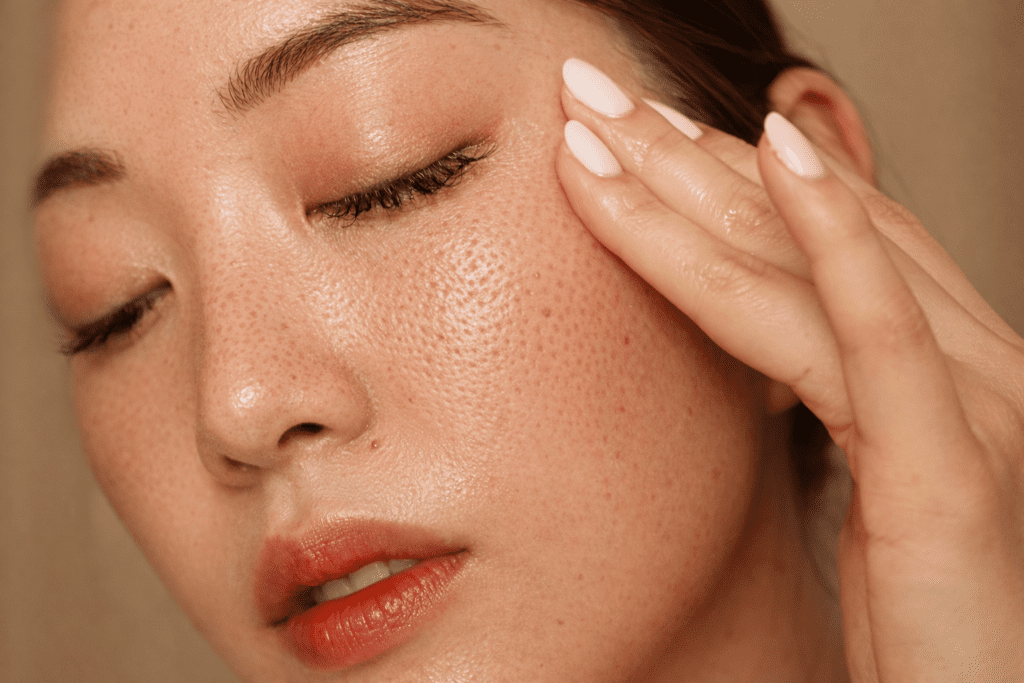
The three main reasons pores appear enlarged:
In clinical practice, enlarged pores are rarely caused by just one factor. Most cases involve a combination of the following:
Excess sebum production — When oil accumulates within the pore, it creates internal pressure, gradually stretching the pore opening. This is especially common in the T-zone and in patients with oil-prone skin.
Loss of skin elasticity — Starting in the mid-20s, collagen production begins to decline. As the surrounding dermal structure weakens, pores lose support and appear wider or more visible. This is one of the most common causes I see in patients seeking pore treatment in Korea.
Cumulative sun damage — Chronic UV exposure thickens the outer skin layer while simultaneously degrading collagen deeper in the dermis. Over time, this contrast makes pores appear more prominent. This is also why consistent SPF use plays a much bigger role in pore appearance than most people expect.

Non-Invasive Options
These treatments work through heat energy or laser light delivered to the skin without breaking the surface. Recovery time is minimal, and results build gradually over a series of sessions.
Genesis 1064nm Laser Toning
One of the most versatile options.
Targets the basement membrane and helps regulate sebum activity — addressing oil and texture at the same time.
Recommended every 2 weeks for gradual improvement in tone, texture, and oil control.
Laser Hair Removal
Often overlooked.
Reducing fine facial hair can decrease pore blockage and improve overall skin clarity.
Radiofrequency (RF) Treatments
Delivers controlled heat into the dermis to stimulate collagen.
Because this energy travels horizontally across the skin plane, the primary effect is improved firmness and skin quality — pores appear smaller as elasticity improves.
Pores aren’t the direct target — but as the skin’s structural quality improves, they tend to look less prominent.
Minimally Invasive Options
These treatments work at or below the skin surface. Expect three to seven days of recovery depending on the treatment intensity — but the results are more direct.
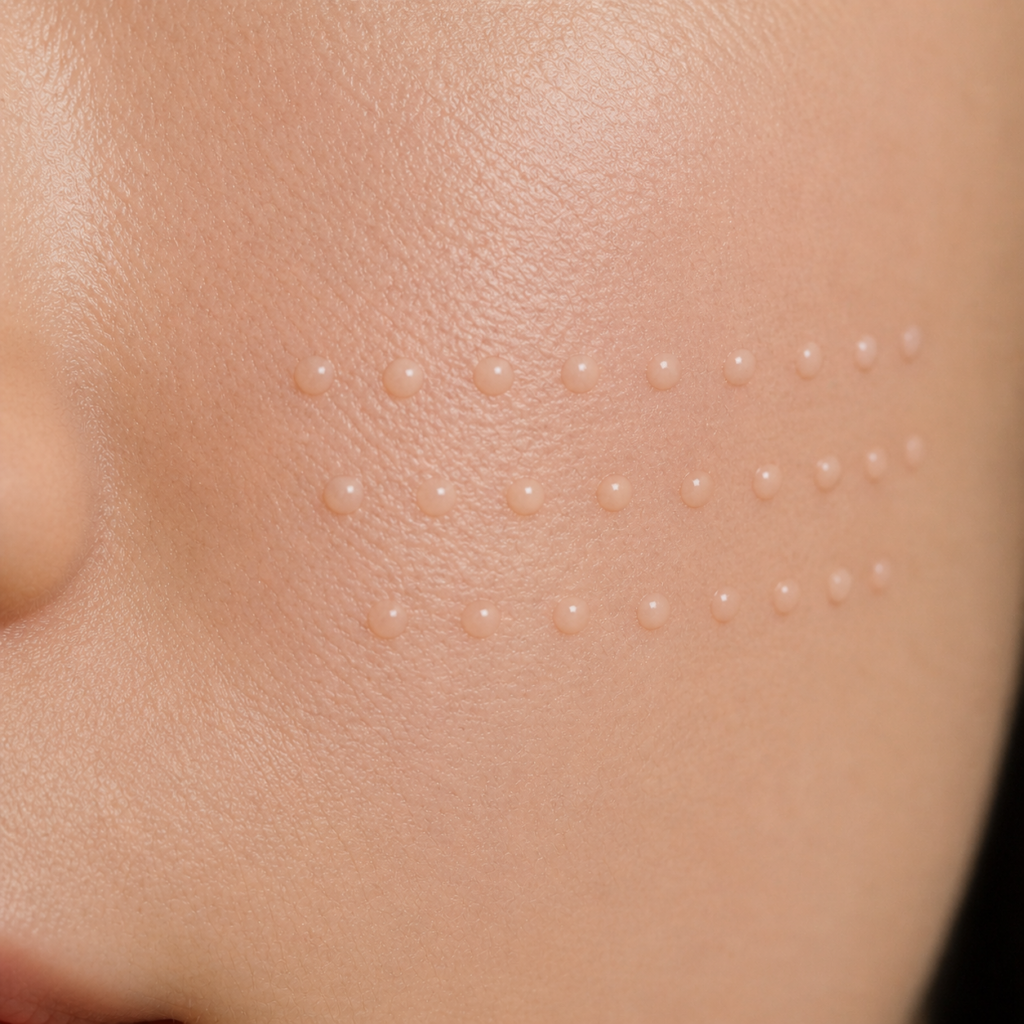
Skin Toxin Injection (Intradermal)
This is one I recommend in nearly every consultation for pore-related concerns.
Unlike conventional botox, which targets muscle, skin botox is injected superficially into the dermis. Helps reduce oil production and create subtle skin tightening, leading to smoother texture and less visible pores.
Maintenance every 3~4 months is usually recommended. It pairs well with everything else on this list as a combination pore treatment.
Needle RF (Microneedling)
This is the treatment I reach for most often when pore improvement is the primary goal.
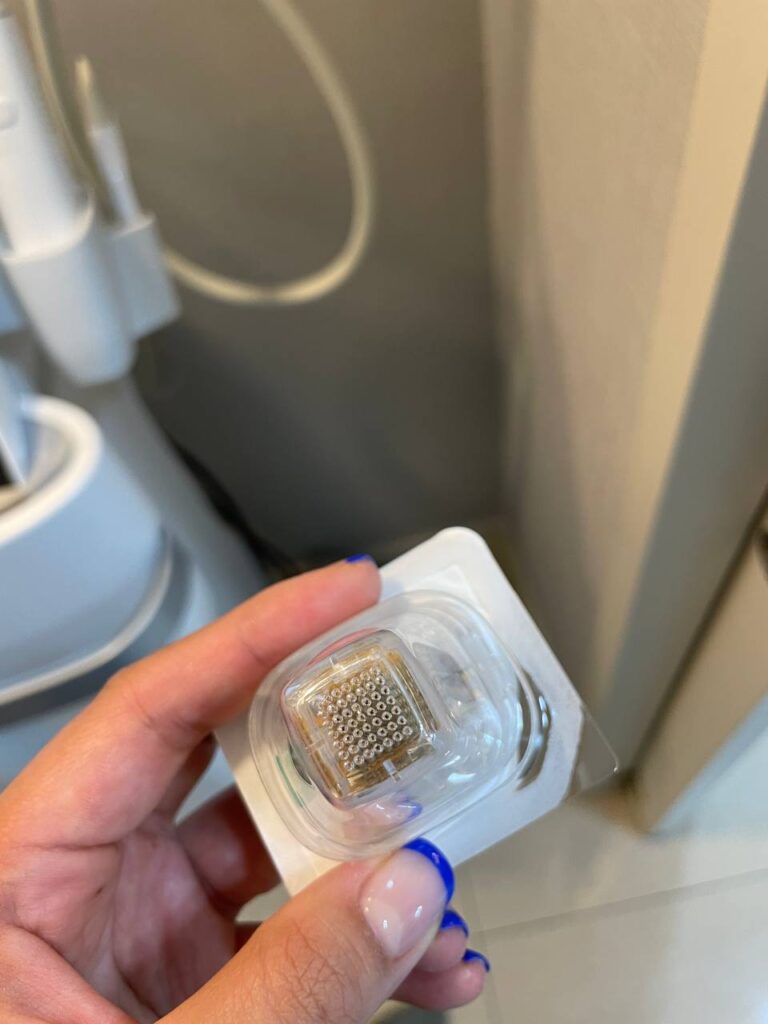
Here’s how I explain the mechanism: The needles creates controlled micro-injuries + delivers RF energy that spreads outward from the needle tips, like the ripple when a stone is dropped into still water.
Radial energy distribution is what makes needle RF particularly effective for pore contraction and stimulates collagen remodeling.
Recovery: approximately 3–7 days. Device names vary by clinic — the mechanism is what matters.

Adding Collagen Stimulators
Used for deeper texture concerns or acne scars.
RF triggers remodeling, while injectables improve structural support — combining both enhances results.
Needle-Free injections/ Air Jet Toning
For patients who prefer a needle-free option, air pressure delivery of Biostimulators or PN, PDRN into the dermis offers a gentler alternative.
Results are more gradual than injected delivery, but suitable for pain sensitive patients.
Ablative Fractional Laser (Fractional Resurfacing)
For deeper, structural pores or significant acne scarring.
Fractional laser physically resurfaces the skin and reaches depths that non-invasive treatments cannot. Recovery is longer and requires planning — typically several days to a week.
However, for the right candidates (especially ice-pick or crater-type scars),
it delivers results that other treatments cannot replicate.

Supporting Your Results at Home
In-clinic treatments for enlarged pores work best when supported by a consistent home routine.
Daily skincare
Look for products containing niacinamide — it regulates sebum production, minimizes pore appearance, and supports an even skin tone.
A well-formulated SPF used daily is equally important for preventing further UV-related pore enlargement.
In-clinic maintenance
Regular Aquapeel or HydraFacial sessions help deep-cleanse pores between treatments and support the results of more intensive procedures.
Think of these as maintenance — not transformation.
Why Combination Work Best for Enlarged Pores
Each treatment targets a different cause of enlarged pores — from oil production to collagen loss.
RF
rebuilds the structural foundation (elasticity, collagen)
Genesis
regulates sebum and activates skin renewal
Needle RF
contracts the pore directly, remodels deeper tissue
Skin Toxin
refines texture and controls oil at the skin layer
Collagen Injectables
improves the skin quality surrounding the pore
Ablative laser
resurfaces when deeper structural change is needed
In practice, combining two or three pore treatments in Korea — chosen based on your skin type, pore character, and realistic recovery capacity — usually delivers more complete and longer-lasting results than a single treatment alone.

What a Consultation Looks Like
When patients visit me for enlarged pores or uneven skin texture in Korea,
this is how I approach the consultation:
What kind of pores?
Surface-level, oil-driven, or deeper structural?
What’s the primary driver?
Sebum, elasticity loss, scarring, or a combination?
What recovery is realistic?
Downtime matters. Not every patient can accommodate aggressive treatments.
Customised consultations and targeted treatment planning are what turn a list of options into a plan that actually works for your skin and your life.
If you’d like to understand your options more clearly, I’d be glad to take a closer look.
→ Explore available treatments or book a personal consultation.
Stay radiant!
— Dr. Soomin